H. pylori (Helicobacter pylori) is one of the most common bacterial infections in the world.
It’s estimated that nearly half of all people globally carry it, often without realizing it.
For others, the symptoms are impossible to ignore.
Burning stomach pain.
Chronic bloating.
Acid reflux.
Nausea.
Gastritis.
Recurring ulcers.
The standard medical response is usually antibiotics—often two or three at once—combined with acid-suppressing drugs. While this approach can work, it also comes with downsides: antibiotic resistance, gut disruption, side effects, and frequent recurrence.
This is why interest in mastic gum for H. pylori has grown steadily over the last two decades.
Long before antibiotics existed, people were already using a natural substance to support stomach health—one that modern research is now taking seriously.
That substance is mastic gum from Chios, Greece.
What Is H. pylori and Why Is It So Persistent?
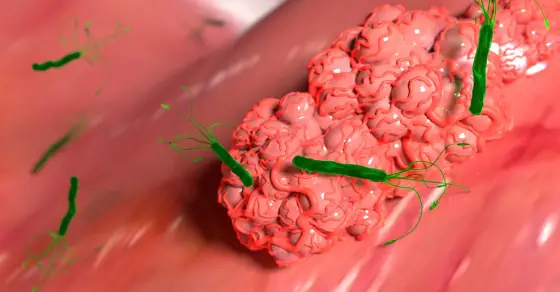
H. pylori is a spiral-shaped bacterium uniquely adapted to survive the harsh environment of the stomach.
It does this by:
- Burrowing into the stomach’s mucus layer
- Producing enzymes that neutralize stomach acid
- Weakening the stomach’s protective lining
Over time, this can lead to:
- Chronic inflammation (gastritis)
- Peptic ulcers
- Impaired digestion
- Increased long-term risk of stomach cancer
One of the biggest challenges is that H. pylori is becoming increasingly resistant to antibiotics, which is why reinfection and treatment failure are common.
This has pushed researchers to explore non-antibiotic, stomach-supportive approaches.
What Is Mastic Gum?
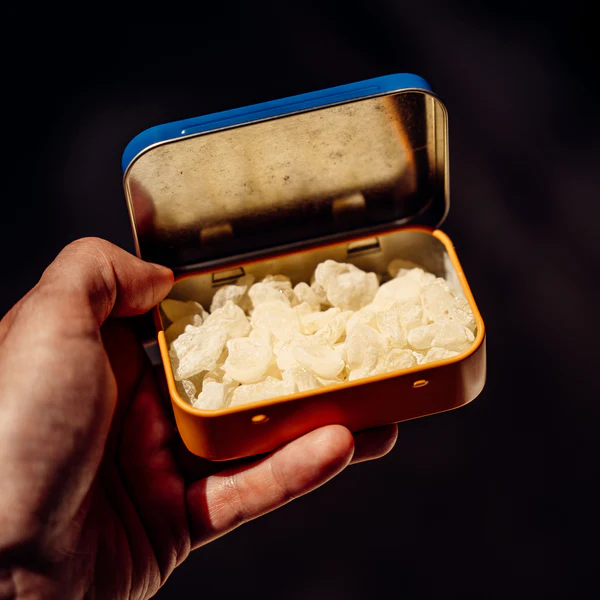
Mastic gum is a natural resin harvested from the Pistacia lentiscus tree.
What makes it special is where it grows.
True medicinal mastic gum comes almost exclusively from the Greek island of Chios. The island’s unique soil and climate create a resin with a chemical profile not found elsewhere.
For over 2,000 years, mastic gum has been used traditionally for:
- Digestive complaints
- Stomach pain
- Ulcers
- Oral health
- Inflammation
Ancient physicians, including Hippocrates, documented its use for gastrointestinal conditions.
Why Mastic Gum for H. pylori Is Different From Other Remedies
Unlike many herbal remedies that focus on general digestion, mastic gum has properties that directly relate to H. pylori.
Research suggests mastic gum may:
- Inhibit the growth of H. pylori
- Reduce the bacteria’s ability to attach to the stomach lining
- Support healing of the gastric mucosa
- Reduce stomach inflammation
- Help restore the stomach’s natural protective barrier
Importantly, it does this without wiping out beneficial gut bacteria.
This is a key distinction from antibiotics.
What the Research Says About Mastic Gum and H. pylori
Several laboratory and human studies have explored the relationship between mastic gum and H. pylori.
Findings suggest:
- Mastic gum shows antibacterial activity against H. pylori
- It may be effective even against some antibiotic-resistant strains
- It can reduce ulcer size and inflammation
- Some people experience symptom improvement without antibiotics
Researchers believe mastic gum works through multiple mechanisms, including disrupting bacterial membranes and altering the stomach environment in ways that make survival difficult for H. pylori.
While it’s not positioned as a pharmaceutical cure, the evidence has been strong enough to keep scientific interest alive for decades.
Why Antibiotics Aren’t Always the Best Long-Term Solution
Antibiotics can be life-saving, but they aren’t without cost.
Common issues include:
- Destruction of beneficial gut bacteria
- Diarrhea and digestive upset
- Yeast overgrowth
- Recurrent infection
- Antibiotic resistance
Many people successfully eliminate H. pylori—only to see symptoms return months or years later.
This has led to growing interest in natural approaches that support stomach health instead of attacking the gut ecosystem.
Mastic gum fits squarely into this category.
Why Chios Mastic Gum Matters (Sourcing Is Everything)
Not all mastic gum is the same.
Studies showing benefits specifically reference Chios mastic gum.
Synthetic versions or resin sourced from other regions do not share the same composition and may not offer the same effects.
This makes sourcing critical.
If you’re exploring mastic gum for H. pylori, authenticity matters more than dosage or marketing claims.
How Mastic Gum Supports Stomach Health Holistically
Rather than acting like a chemical weapon, mastic gum works more gently by:
- Supporting the stomach lining
- Reducing oxidative and inflammatory stress
- Encouraging tissue repair
- Creating an environment less favorable to harmful bacteria
This makes it appealing for people dealing with:
- Chronic gastritis
- Recurrent ulcers
- Long-term stomach discomfort
- Sensitivity to antibiotics
It’s not about instant suppression—it’s about long-term resilience.
How Is Mastic Gum Typically Used?
Traditionally, mastic gum is:
- Chewed as raw resin
- Taken in capsule or powder form
- Used consistently over weeks, not days
Most research focuses on daily use over several weeks, rather than one-time doses.
Because individual situations vary, it’s always wise to discuss use with a qualified healthcare professional—especially if you’ve tested positive for H. pylori or are on medication.
Who May Benefit From Mastic Gum?
Mastic gum may be worth considering if you:
- Have tested positive for H. pylori
- Experience chronic stomach pain or gastritis
- Have recurring ulcers
- Want a natural adjunct to conventional care
- Prefer gut-friendly, non-antibiotic options
It’s especially appealing for people focused on supporting the stomach environment, not just eliminating bacteria.
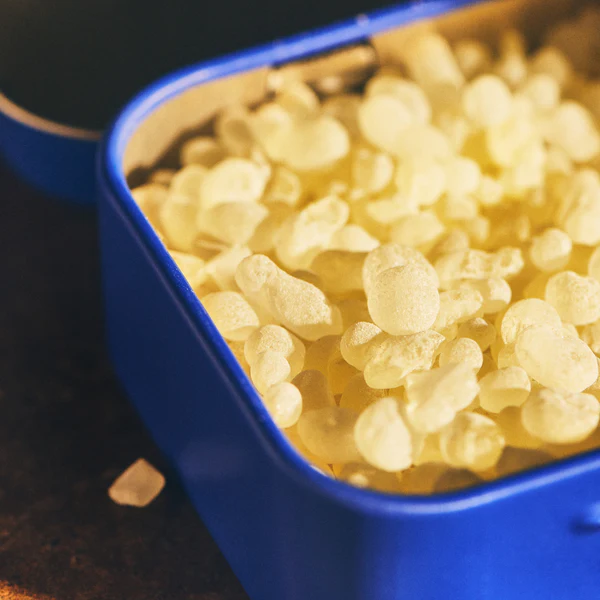
A Trusted Source of Authentic Chios Mastic Gum
If you decide to explore mastic gum, quality and authenticity matter.
One source that focuses specifically on authentic Chios mastic gum is Greco Gum.
Their products are:
- Sourced from Chios, Greece
- Traditionally harvested
- Minimally processed
- Designed for oral and digestive use
👉 You can learn more here:
This is not a medical claim or cure—just a natural option backed by history and growing scientific interest.
The Bigger Picture
H. pylori isn’t just a bacterial issue.
It’s a stomach environment issue.
While antibiotics still have a role, the future of digestive health likely includes supportive strategies that:
- Protect the stomach lining
- Reduce inflammation
- Preserve gut balance
Mastic gum from Chios stands out as one of the most intriguing natural tools in this approach.
Sometimes the most powerful solutions aren’t new.
They’re simply rediscovered.