For decades, something hasn’t added up.
Americans were told to eat “balanced” diets, follow official nutrition guidelines, and trust that food regulations existed to protect public health. Yet during the same period, rates of obesity, diabetes, autoimmune disease, gut disorders, and metabolic dysfunction quietly exploded.
Now, for the first time in a long time, the conversation is starting to change.
A newly proposed food framework introduced by Robert F. Kennedy Jr. alongside federal health agencies signals a sharp departure from the old model. Instead of emphasizing calorie counts, fortified processed foods, and vague moderation, the new direction explicitly targets ultra-processed foods as a primary driver of chronic illness.
This isn’t just a cosmetic update to the food pyramid.
It’s an acknowledgment that the modern food system itself has been working against human biology.
Let’s break down what’s changing, why it matters, and—most importantly—how to apply it in real life.
The Real Problem Was Never “Too Many Calories”
For years, nutritional advice focused on how much people were eating, not what they were eating.
But research has made something increasingly clear:
two diets with identical calorie counts can have wildly different effects on metabolism, inflammation, hormones, and gut health—depending on how processed the food is.
Ultra-processed foods don’t just lack nutrients. They actively disrupt normal biological signals:
- They override satiety cues
- They spike blood sugar and insulin
- They damage the gut microbiome
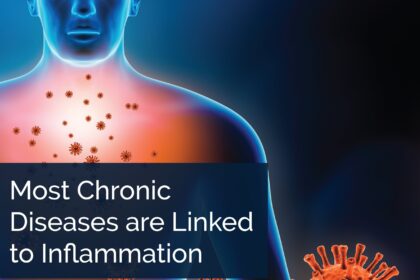
- They increase systemic inflammation
- They promote overeating without satisfaction
This is why people can feel constantly hungry while technically eating “enough.”
The new food framework directly calls this out.
What Counts as Ultra-Processed Food?
Ultra-processed foods are not just “junk food.” They are industrial products engineered for shelf life, hyper-palatability, and scalability.
Common examples include:
- Sugary cereals and snack bars
- Packaged breads with long ingredient lists
- Seed-oil fried snacks
- Flavored yogurts and drinks
- Protein products made with isolates and additives
- Ready-to-eat meals with preservatives and stabilizers
These foods are designed to be cheap, addictive, and convenient—not nourishing.
The new model prioritizes whole, minimally processed foods as the foundation of human health.
That means food that still resembles what it came from.
Why This Shift Is a Big Deal
For the first time, federal guidance is aligning with what functional medicine, ancestral nutrition, and metabolic research have been saying for years:
Chronic disease isn’t just about personal choices — it’s about food quality.
This matters because official guidelines shape:
- School meals
- Hospital food
- Food labeling
- Agricultural subsidies
- Public health messaging
When processed foods lose their “healthy” halo, the entire system begins to shift.
But policy changes alone don’t fix personal health.
That part still happens at home.
How to Apply This New Food Pyramid in Real Life
Most people don’t need a radical overhaul. They need clean inputs and fewer hidden stressors.
Here’s how to translate the new framework into daily action.
1. Prioritize Real Food Over “Health” Packaging
If a product needs marketing to convince you it’s healthy, it probably isn’t.
A good rule of thumb:
- Fewer ingredients
- Ingredients you recognize
- Minimal processing steps
Meat, eggs, vegetables, fruit, properly prepared grains, and traditional fats form the core of a resilient diet.
2. Remove the Invisible Inputs People Forget About
Food isn’t the only thing that enters your body.
Water, beverages, and daily stimulants matter just as much—and often get overlooked.
Poor water quality alone can undermine digestion, mineral absorption, and detoxification pathways.
3. Support the Body While Transitioning Away From Processed Foods
When people cut ultra-processed foods, they often experience short-term fatigue, cravings, or energy dips. That doesn’t mean the change is bad—it means the body is recalibrating.
Targeted support can make the transition smoother.
Recommended Tools That Align With the New Food Model
Below are three products that directly support the principles behind the new food pyramid—clean inputs, minimal processing, and metabolic resilience.
These are practical, not gimmicky.
🔹 1. Clean, Properly Filtered Water (Non-Negotiable)
Water is the most consumed “ingredient” in any diet—and often the most contaminated.
Chlorine, VOCs, and heavy metals place constant stress on digestion and detox systems.
Omica Organics offers advanced water filtration systems designed to reduce these burdens while preserving beneficial minerals.
👉 Visit Omica Organics here:
💸 Use code HealthyWildFree for 10% off for life
🔹 2. Support Cellular Nutrition When Removing Processed Foods
Ultra-processed foods often supply artificial stimulation without real nourishment. When they’re removed, the body may need support at the cellular level—especially for energy, cognition, and stress resilience.
Qualia formulas are designed to complement whole-food diets by supporting metabolic and neurological function without fillers or synthetic junk.
👉 Explore Qualia supplements here:
💸 Use code HEALTHYWILDANDFREE
🔹 3. Replace Sugar-Driven Energy With Cleaner Stimulation
One of the biggest sources of hidden processed intake is liquid calories—sweetened drinks, creamers, and low-quality coffee.
Purity Coffee focuses on organic, low-toxin, high-antioxidant coffee that supports energy without mold or heavy metal contamination.
👉 Get Purity Coffee (30% off) here:
💸 New customers receive 30% off
Why This Moment Matters
This new food pyramid isn’t revolutionary because it introduces something new.
It’s revolutionary because it removes what never belonged there.
Ultra-processed foods were never designed to support health. They were designed to scale, store, and sell.
Now, official guidance is finally catching up to biology.
For health-informed people, this isn’t validation—it’s confirmation.
Final Thoughts
You don’t need perfection.
You don’t need fear.
You don’t need another diet.
You need:
- Cleaner inputs
- Fewer industrial shortcuts
- Food that your body recognizes
If this shift continues, future generations may finally inherit a food system that supports health instead of undermining it.
Until then, the most powerful changes still happen at the individual level—one choice at a time.