If you have ever tried to lose weight, you have likely been subjected to the rigid, mechanical narrative of modern diet culture: Calories In vs. Calories Out. We are told that weight management is a simple math problem—if you just eat less, move more, and exercise enough willpower, the fat will melt away.
Yet, millions of men and women follow this equation to the letter, tracking every macro and weighing every gram of food, only to find themselves trapped in a state of chronic, agonizing hunger, cold intolerance, brain fog, and weight loss plateaus.
Why does this happen? Because the “calories in, calories out” model completely ignores human endocrinology. Your body is not a static furnace; it is a dynamic, survival-driven hormonal matrix. Your brain does not count calories; it reads hormonal signals.
When it comes to sustainable weight management, long-term vitality, and metabolic freedom, one hormone rules them all: Leptin.
Known as the “master satiety hormone,” leptin acts as your body’s internal thermostat, dictating your appetite, your energy expenditure, your thyroid function, and even your reproductive drive. If your leptin signaling is broken, no amount of caloric restriction or willpower will save your metabolism. To burn fat naturally and permanently, you do not need a new diet plan; you need to understand and repair the leptin connection.
The Biological Thermostat: What is Leptin?
Leptin is a peptide hormone produced primarily by your adipose tissue (fat cells). Discovered in 1994, it completely revolutionized our understanding of body fat. Fat is not just a passive storage depot for excess energy; it is an active, vital endocrine organ that communicates directly with your brain.
The primary function of leptin is to signal your hypothalamus—the evolutionary control center of the brain—about the status of your current energy reserves.
[Fat Cells Gain Energy] ---> Secretes Leptin ---> Signals Hypothalamus ---> Boosts Metabolism & Drops Hunger
[Fat Cells Lose Energy] ---> Leptin Drops   ---> Signals Hypothalamus ---> Lowers Metabolism & Sparks Hunger
When you eat and your fat cells store energy, they secrete leptin into the bloodstream. This leptin travels up to the brain, crosses the blood-brain barrier, and binds to leptin receptors in the hypothalamus. This sends a powerful signal: “We have plenty of stored fuel. Stop eating, suppress the appetite, and increase energy expenditure by ramping up thyroid output, body temperature, and physical spontaneous movement (NEAT).”
Conversely, when you restrict food or drop body fat quickly, leptin levels drop precipitously. This signals the hypothalamus that starvation is imminent: “Energy reserves are low! Drive up hunger, trigger intense cravings for dense carbohydrates, and slow down the metabolic rate to conserve life-sustaining fuel.”
In a healthy ancestral environment, this feedback loop worked flawlessly, maintaining human body weight within a tight, optimal range for millennia.
The Master Switch: How Leptin Governs Other Hormones
Leptin does not operate in isolation. Because it informs the brain about environmental and internal survival conditions, it acts as a gatekeeper for almost every other major hormone in your body.
1. The Thyroid Connection ($T_3$ and $T_4$)
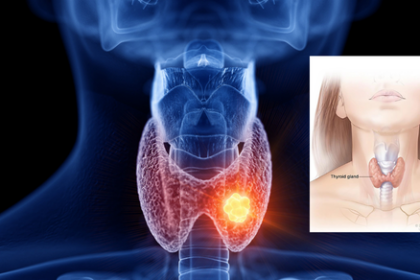
Your thyroid dictates your baseline metabolic rate—how many calories you burn simply by existing. When leptin signaling is strong and healthy, the hypothalamus releases Thyrotropin-Releasing Hormone (TRH), which ultimately instructs the thyroid to produce active thyroid hormones ($T_3$ and $T_4$). If leptin drops or its signal is blocked, TRH plummets, your thyroid slows down, your body temperature drops, and your metabolism grinds to a halt.
2. The Reproductive Output (Testosterone and Estrogen)
Reproduction is an incredibly energy-expensive process. From an evolutionary perspective, the body will not allow a mammal to reproduce if it believes resources are scarce. Leptin is the primary molecule that permits reproductive function.
Healthy leptin signaling stimulates the release of Gonadotropin-Releasing Hormone (GnRH), which drives the production of luteinizing hormone (LH) and follicle-stimulating hormone (FSH)—the direct precursors to testosterone synthesis in men and progesterone/estrogen balance in women. This is why chronic dieters who break their leptin signaling experience a massive crash in testosterone, loss of libido, and menstrual irregularities.
The Modern Crisis: Leptin Resistance Explained
If fat cells produce leptin, and leptin tells the brain to stop eating and burn fat, then logically, someone carrying excess body fat should have incredibly high leptin levels and a completely suppressed appetite, right?
In reality, the exact opposite occurs. Overweight individuals possess astronomical levels of circulating leptin, yet they struggle with intense, continuous cravings and chronic hunger. This condition is known as Leptin Resistance.
The Analogy of the Broken Stereo: Imagine walking into a room where the music is playing at a deafening, maximum volume. At first, it is overwhelming. But over time, your ears adapt to protect themselves, desensitizing your hearing until the loud music sounds like background noise.
Leptin resistance is identical. Because of modern lifestyle factors, your fat cells pump out a continuous, unrelenting flood of leptin. Overwhelmed by this constant biochemical noise, the leptin receptors in your hypothalamus desensitize and shut down.
The circulating leptin can no longer cross the blood-brain barrier effectively, or the receptors simply refuse to register the signal.
The tragic result? Your body is carrying 40 pounds of stored energy, but your brain is completely blind to it. Because the hypothalamus cannot hear the leptin signal, it falsely believes the body is starving. It responds by keeping you chronically hungry, locking away your fat stores, and downregulating your energy levels. You cannot burn fat because your brain thinks it is fighting for survival.
The Core Disruptors: What Breaks the Leptin Signaling Loop?
Leptin resistance does not happen by accident. It is a direct reaction to the evolutionary mismatch of the modern industrial environment. Five core pillars drive this systemic hormonal breakdown:
1. Industrial Seed Oils and Linoleic Acid
Processed vegetable oils (canola, soybean, corn, cottonseed, sunflower, and safflower oils) are packed with highly unstable, omega-6 polyunsaturated fatty acids (PUFAs), specifically linoleic acid. These industrial oils lodge themselves into your cellular membranes, causing widespread cellular lipid peroxidation and profound inflammation.
When inflammation reaches the hypothalamus, it structurally alters the leptin receptor sites, preventing leptin from binding cleanly and initiating its metabolic signal.
2. High-Fructose Corn Syrup and Refined Sugars
Diets rich in refined carbohydrates and high-fructose corn syrup cause rapid spikes in liver fat and circulating triglycerides (blood fats). High levels of triglycerides in the blood physically block leptin from crossing the blood-brain barrier. Even if your fat cells are sending the signal, the message is physically intercepted before it ever reaches the brain.
3. Artificial Blue Light and Circadian Mismatch
Leptin is not a flat hormone; it is highly circadian. Under natural conditions, leptin secretion peaks late at night, signaling the brain to burn fat for fuel while you sleep so you don’t wake up starving.
However, your master circadian clock is governed by the light entering your eyes. Exposure to artificial blue light from smartphones, televisions, and energy-efficient LED lightbulbs after sunset tricks your brain into thinking it is noon. This circadian mismatch shatters the nocturnal leptin curve, causing morning hunger, poor sleep quality, and stalled fat loss.
[Evening Blue Light Exposure] ---> Suppresses Melatonin ---> Shatters Nocturnal Leptin Peak ---> Morning Sugar Cravings
4. Chronic Sleep Deprivation
A single night of restricted sleep can cut leptin levels by up to 20% while simultaneously driving up ghrelin (the hunger hormone) by nearly 30%. Sleep deprivation forces your brain into a state of metabolic panic, causing you to naturally seek out hyper-palatable, calorie-dense foods the following day.
5. Environmental Endocrine Disruptors
Modern household products, water supplies, and synthetic clothing are saturated with endocrine-disrupting chemicals (EDCs) like phthalates, bisphenols (BPA/BPS), and heavy metals. These chemicals mimic human hormones, disrupt receptor sensitivity, and impair metabolic communication at the deepest cellular level.
Mid-Article Protocol: Foundational Environmental Safeguards
To fix leptin resistance, you cannot just look at food. You have to clean up the environmental inputs that confuse your nervous system and block cellular signaling. Here are the core, vetted tools to stabilize your home environment and support natural hormonal alignment:
- Clearly Filtered Water Systems: Municipal tap water contains trace pharmaceuticals, heavy metals, fluoride, and PFAS. These industrial compounds burden your liver and disrupt endocrine receptor sensitivity. Clearly Filtered eliminates these specific toxins, ensuring your hydration supports metabolic healing rather than hindering it.
- Sperti Vitamin D Lamps: True hormonal balance requires robust circadian regulation. When natural sunlight is limited, the Sperti Vitamin D Lamp provides safe, targeted light wavelengths to optimize your body’s master hormone pathways indoors. (Use code: healthywildfree for a partner discount).
- Air Doctor UltraHEPA Filtration: Airborne particulate matter and volatile organic compounds (VOCs) induce systemic oxidative stress, which fuels hypothalamic inflammation. Air Doctor seals your indoor atmosphere from these inflammatory triggers.
The Ancestral Leptin Reset Protocol: 4 Steps to Balance Your Hunger Hormones
Reversing leptin resistance and restoring your brain’s sensitivity to satiety signals requires a deliberate, step-by-step strategy that aligns your daily habits with your evolutionary biology. Follow this ancestral framework to repair the communication between your fat cells and your brain.
Step 1: Execute the High-Protein, High-Fat Ancestral Breakfast
The first meal of the day dictates your hormonal cascade for the next 24 hours. The standard modern breakfast—cereal, oatmeal, toast, fruit juices, or sugary coffee—spikes blood sugar and forces a massive surge of insulin. This blocks fat oxidation right out of the gate and interferes with morning leptin normalization.
To fix leptin, you must adopt the Leptin Reset Breakfast Protocol:
- The Timing: Consume your first meal within 30 to 60 minutes of waking up. This immediately signals the hypothalamus that you are not in a state of famine, stabilizing baseline stress hormones.
- The Composition: Your breakfast must contain between 30 to 50 grams of high-quality, bioavailable animal protein, along with healthy, stable fats, and near-zero carbohydrates. Protein and fat stimulate the release of Peptide YY (PYY) and cholecystokinin (CCK), satiety hormones that work in tandem with leptin to signal profound fullness to the brain.
[High-Carb Breakfast] ---> Insulin Spike ---> Fat Storage Activated ---> Leptin Blocked ---> Mid-day Crash
[High-Protein Breakfast] -> Glucagon Stabilized -> Fat Burning Activated -> Leptin Hearded -> Sustained Energy
For men and women with hectic schedules, hitting 50 grams of clean animal protein first thing in the morning can be a challenge. Utilizing highly pure, vetted whole-food supplements is an efficient way to hit your metabolic targets:
- Paleovalley Bone Broth Protein: Made from 100% grass-fed, pasture-raised bovine bones, this ultra-clean powder provides a rich array of collagen-building amino acids that heal the gut lining while delivering highly bioavailable protein to satisfy hunger pathways. (Get 15% off at this partner link).
- Lineage Provisions AB Complete: An exceptional animal-based beef protein isolate fortified with five raw organ meats (liver, heart, kidney, spleen, and pancreas). This formula provides the essential micronutrients and co-factors your liver needs to process proteins and support metabolic rate naturally. (Use link for 15% off).
Step 2: Master the Circadian Light Routine
Because leptin is an intensely circadian hormone, you cannot fix your hunger if you live in optical darkness during the day and optical overload at night. You must realign your master biological clock with natural light cycles.
- First Light Exposure: Within 15 minutes of waking, step outside and view natural, unfiltered sunlight for 10 to 15 minutes. Do not look through a glass window or wear sunglasses. The early morning spectrum contains a precise ratio of blue and near-infrared light that passes through your eyes to reset the suprachiasmatic nucleus (SCN), timing your daily cortisol, melatonin, and leptin production.
- The Midday Charge: Step outside again during peak solar noon to absorb full-spectrum light, supporting natural hormone conversion.
- Sunset and Night Protocol: As the sun goes down, completely eliminate exposure to overhead artificial blue light. Turn off harsh lights, use amber or red bulbs, and download blue-blocking software on your screens. This allows your brain to produce melatonin naturally, securing the deep sleep required for the midnight leptin surge to burn fat while you rest.
To supplement this light-driven cellular repair process, consider adding targeted red light technology to your routine:
- Mito Red Light Therapy: Delivering concentrated red and near-infrared light wavelengths directly to your cells, Mito Red Light supports mitochondrial function and cellular ATP output, helping to lower systemic oxidative stress and repair damaged metabolic pathway communication. (Use code: healthywildfree at checkout).
Step 3: Eliminate the “Thermic Infiltrators”
You cannot heal a broken system while simultaneously pouring fuel on the fire. To clear the communication channels between your body and your brain, you must ruthlessly eliminate the industrial food components that drive hypothalamic inflammation and elevate triglycerides.
- Purge Seed Oils: Check every label in your pantry. Throw out any food containing canola, soybean, corn, safflower, or sunflower oil. Replace them with stable, ancestral fats like grass-fed butter, ghee, tallow, extra virgin olive oil, and coconut oil.
- Stop Constant Snacking: To allow leptin receptors to recover, you must stop eating continuously. Space your meals at least 4 to 5 hours apart, and avoid eating any food for at least 3 to 4 hours before bedtime. This structured absence of incoming food drops baseline insulin and allows your brain to register circulating satiety signals cleanly.
- Swap Industrial Minerals: Standard table salts are stripped of minerals and bleached with chemical anti-caking agents. Switch to unrefined options like Ava Jane’s Kitchen Plastic-Free Sea Salt to provide the raw trace elements your thyroid requires to properly execute the metabolic instructions sent by leptin.
Step 4: Protect Your Body from Transdermal Plastics
As discussed, environmental toxins act as hidden metabolic disruptors. Phthalates and plastic microparticles leach into your body and scramble your endocrine system, mimicking estrogen and blunting your brain’s sensitivity to fat-burning signals. While changing your food is critical, you must also consider what comes into direct, prolonged contact with your skin.
The groin and pelvic region are highly vascular zones with exceptionally high rates of transdermal absorption. If you are wearing cheap, synthetic polyester underwear all day, you are constantly absorbing micro-plastics and heat-trapping compounds right next to your primary reproductive and endocrine centers.
- Nads Organic Underwear: To defend your hormonal health, switch to GOTS-certified organic cotton underwear. NADS eliminates the synthetic polyester matrix, providing a completely natural, chemical-free micro-climate that supports healthy testosterone production, optimal sperm health, and clean endocrine function. (Use code: HealthyWildFree for a 15% discount).
The Metabolic Alignment Matrix
To quickly visualize how different choices affect your hunger pathways, review this simple comparison chart:
| Lifestyle Input | Impact on Hypothalamus | Resulting Leptin State | Metabolic Outcome |
| Processed Carbohydrates & Seed Oils | High inflammation, high blood triglycerides | Leptin Resistant (Brain is blind to fat stores) | Constant hunger, slow fat oxidation, low energy |
| Ancestral Protein, Clean Light, Organic Linens | Low inflammation, clear blood-brain transport | Leptin Sensitive (Brain hears fat stores) | Natural satiety, robust thyroid output, active fat burning |
Conclusion: Reclaiming Your Hormonal Sovereignty
Sustainable weight management is never about starving yourself or battling your biology with pure willpower. If you attempt to fight your hunger hormones through sheer restriction, you will lose every single time. Your evolutionary survival mechanisms are far more powerful than any modern diet trends.
Real fat loss occurs when you stop fighting your biology and start working in harmony with it. By reducing systemic inflammation, fixing your circadian rhythms, protecting your home from industrial toxins, and prioritizing a clean, nutrient-dense ancestral diet, you can reverse leptin resistance. You will finally allow your brain to clearly hear the signals from your body, turning off chronic hunger and unlocking your natural, effortless metabolic fire.
Your Metabolic Optimization Checklist
Take immediate control of your master satiety pathways with these vetted, independent lifestyle tools:
Foundational Nutrition & Satiety
- Paleovalley Grass-Fed Bone Broth Protein – Clean gut-healing protein for the ultimate morning reset.
- Lineage Provisions AB Complete – Beef protein isolate fortified with five nutrient-dense organ meats.
- Ava Jane’s Kitchen Sea Salt – Microplastic-free, unrefined mineral support for thyroid optimization.
Environmental & Light Protection
- Clearly Filtered Water System – Remove heavy metals and endocrine-disrupting chemicals from your daily hydration.
- Mito Red Light Therapy Panels – Support cellular mitochondrial health and lower systemic oxidative stress. (Code: healthywildfree)
- Sperti Vitamin D Solar Lamps – Lock in proper circadian pathways regardless of the season. (Code: healthywildfree)
- Nads GOTS-Certified Underwear – Protect your thin-skinned endocrine zones from synthetic plastic leakage. (Code: HealthyWildFree)
Vote for your health with your daily choices. Opt out of the industrial food experiment, honor your evolutionary design, and choose to live healthy, wild, and free.