Today, we’re diving into something that’s quietly sneaking into your life and doing major damage—all from right inside your own kitchen. Yep, I’m talking about microplastics. Those tiny, nasty little invaders are flooding your bloodstream, and—in a massive twist—it’s happening through habits most folks think are perfectly healthy. Stick with me here because this is going to change how you handle your food forever.
The Invisible Invasion: Microplastics in Your Kitchen
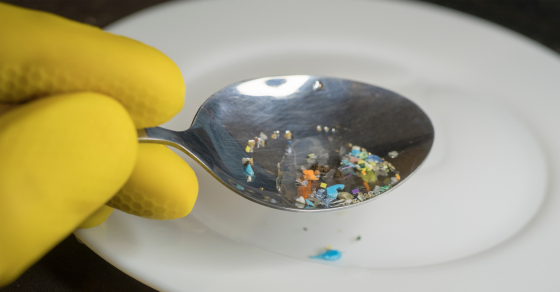
Microplastics—those microscopic pieces of plastic that are less than 5 millimeters in size—are the WORST kind of toxin. Why? Because unlike big chunks you can see and throw away, these bits are sneaky, hidden, and getting INTO your body every single day. Scientists are ringing alarm bells because these particles can trigger inflammation, mess with your cells, and even shorten your lifespan. When microplastics enter your bloodstream, they don’t just sit quietly; they cause stress deep inside your cells, accelerate aging, and zap your natural vitality. It’s like inviting a secret saboteur into your very bloodstream!
You might be wondering, “David, I’m so careful with what I eat. I buy organic, avoid junk food, and cook at home. How can microplastics get in through stuff I trust?” That’s exactly the point. The invisible invasion is happening through three SUPER common kitchen habits that many believe are HEALTHY but are silently pouring microplastics into your body every day.
Habit #1: Using Plastic Cutting Boards for Your Organic Veggies
You’re proud—rightfully so—that you’re loading your meals with fresh, organic veggies. That’s a huge step toward glowing health and long, vibrant life. But are you chopping those greens on a plastic cutting board? If yes, that’s the first Trojan horse.
Here’s the deal: every time you slice, dice, and chop on plastic boards, tiny bits of plastic are flaking off right into your food. This is especially true when the board has deep cuts and grooves from years of use. Those gouges become microplastic factories! Even worse, when you wash or sanitize those boards—especially with hot water or scrubbing—more particles break free. Then, these microplastics get into your meal and, straight from your mouth, make their way into your bloodstream.
You think your organic veggies are giving you antioxidants and vitamins, but hidden inside are these plastic shards silently attacking your cells. That’s a major betrayal of your health efforts! Instead, consider switching to safer materials like bamboo or wooden cutting boards, which don’t shed microplastics and can be kept clean naturally.
Habit #2: Heating “BPA-Free” Plastic Storage Containers
Everyone’s heard the warnings about BPA, right? “Avoid plastics with BPA, especially when heating food.” So, a lot of us jumped to BPA-free plastic containers feeling safe and smart. But here’s the kicker—just because it says BPA-free doesn’t mean it’s 100% safe from microplastic invasion.
Heat changes everything. When you microwave your leftovers or warm up a meal in these BPA-free containers, the plastic softens and sheds microplastic particles directly into your food. These microscopic pieces are so tiny, they slip right through your digestive defenses and storm your bloodstream. Some studies show that the more you heat plastics, the more microplastics you ingest—turning your healthy homemade meals into toxic microplastic delivery systems.
This means your kitchen convenience is quietly feeding a toxic cocktail to your cells, undermining your longevity and immune system. You’re working so hard to eat fresh and nourish your family, but this toxic trap is pulling the rug out from under you.
Here’s what you can do: ditch plastic containers for glass or stainless steel when storing or reheating food. They’re natural, long-lasting, and toxin-free defenders of your health.
Habit #3: Using Plastic Tea Bags
Who doesn’t love a warm, soothing cup of tea to relax or boost energy? Many brands now offer tea bags made from unique plastic fibers or nylon instead of traditional paper. Sounds fancy and “healthier,” right? Nope. Those tiny plastic fibers BELONG in tea bags but do NOT belong in your bloodstream.
When hot water hits these plastic tea bags, millions of microplastic particles leach directly into your cup. Scientists have tested this—and the microplastic load in one plastic tea bag can be in the billions. You’re not just sipping herbal goodness; you’re gulping down invisible plastic particles that ravage your cells and hormonal systems.
This is huge because, unlike filtering out toxins from food, tea is consumed as a liquid—meaning the body absorbs microplastics even faster. It’s a silent betrayal of your daily health ritual.
Switch to loose leaf tea or paper tea bags that use natural, unbleached fibers. The natural option protects not only your mood and energy but also your cells from microplastic invasion.
Ladies and gentlemen, I get it. You’re doing everything right. You’re choosing organic veggies, BPA-free containers, and tea for health. But these COMMON kitchen habits are quietly undermining all that good work. The invisible invasion of microplastics isn’t just a plastic pollution problem in the ocean or on the streets—it’s a deeply personal, cellular-level crisis happening every time you prepare a meal.
Stay tuned for part two, where I’m going to share some killer tips and swaps you NEED to make to protect your family from these microplastic threats—for good. Until then, keep fighting the good fight, and remember: true health starts at the cellular level, away from toxic invaders!
This is David Benjamin from Healthy Wild Free — keep it natural, keep it wild, and above all, keep it healthy!
What’s up, ladies and gentlemen? This is David Benjamin from Healthy Wild Free. We’ve already uncovered the sneaky ways microplastics are invading your kitchen and your bloodstream. Now, let’s take a deep dive into the science behind these tiny terrors and learn exactly how they mess with your body at the cellular and organ level. Then, I’m going to share a powerful solution to help you fight back and reclaim your health naturally!
The Deep Dive: What Happens When Microplastics Enter Your Body?
You might think these microplastics are just harmless fluff, but inside your body, they’re far from innocent. Recent studies — including some from 2026 — show these tiny particles do something very sinister: they cross natural barriers, disrupt your hormone systems, and pile up in critical organs like your liver and kidneys. Let me break it down for you.
Crossing the Blood-Brain Barrier: A Direct Hit on Your Brain
The blood-brain barrier is the body’s VIP security for your brain. It usually keeps toxins out — but microplastics are so small and sneaky, they can slip right through! Once inside your brain, these particles trigger inflammation, disturb signals, and may even damage your neurons. This disruption affects your memory, mood, and cognitive function over time. Imagine tiny plastic invaders launching a silent attack on your brain’s health every day.
Hormone Havoc: Microplastics as Endocrine Disruptors
Your hormones control your energy, mood, growth, and even your ability to fight diseases. Microplastics carry chemicals called endocrine disruptors, which imitate or block your natural hormones. The result? Your body’s hormonal balance goes haywire. This can cause everything from fatigue and weight gain to more serious problems like fertility issues and increased risk of chronic diseases. This hormonal chaos speeds up aging and kills your natural vitality — that’s a big deal!
Organs Under Siege: Liver and Kidneys
Two of your body’s main detox warriors — the liver and kidneys — try hard to filter out toxins. But microplastics are tough, and over time they accumulate in these organs. This build-up impairs their function, leading to a backlog of toxins and damaged cells. Your liver is your body’s chemical factory and detox powerhouse — when microplastics weigh it down, your whole body feels the strain, including your immune system and energy levels.
The Middle Solution: Chef’s Foundry Cookware – Your Kitchen’s New Best Friend
Ok, now here’s the BIG news: one of the most powerful moves you can make to guard against microplastics is to get rid of plastic in your kitchen for good. The best way to do this? Upgrade your cookware to something natural, durable, and microplastic-free.
That’s why I’m singing the praises of Chef’s Foundry Cookware. These pots and pans are made from natural iron and crafted with an artisan’s care. They offer a safe, forever-lasting alternative to plastic and Teflon-coated pans, which are notorious for breaking down and shedding toxic particles into your food, especially when heated.
Why Chef’s Foundry Is a Game-Changer:
•Pure Iron Material: No plastic, no synthetic coating—just pure, natural iron which actually boosts your iron levels safely.
•Non-Toxic Cooking Surface: Unlike plastic-based pans, these don’t leach chemicals or microplastics into your meals.
•Durability That Lasts a Lifetime: No need to replace year after year—less waste and fewer toxins over time.
•Enhances Flavor & Nutrition: Iron-rich cookware can add a bit of that essential mineral into your food, improving both taste and nutrient density.
•Easy to Clean Naturally: No aggressive scouring that tears down surfaces and releases plastic microfibers.
Switching to Chef’s Foundry means you’re not only cutting off one of microplastics’ biggest entry points but also upgrading your kitchen to true health HQ.
Click Here to get Chef’s Foundry Cookware
Why This Is the Answer to Your Microplastic Problem
You’ve got to understand, replacing plastic cookware with Chef’s Foundry is not just a kitchen makeover—it’s a cellular rescue mission. Remember how I told you microplastics sneak into your bloodstream from cutting boards, containers, and tea bags? Cookware plays a massive role here, too. Traditional non-stick and plastic-lined pans release microplastic particles when they heat up and scratch. That means your everyday sauté or simmer can be feeding your cells harmful toxins your body has to fight off.
Chef’s Foundry cookware is crafted to eliminate that threat altogether. The pure iron surfaces won’t break down or shed anything toxic into your meals. Instead, they give you a safe cooking experience that helps maintain your cell integrity and supports your body’s natural defenses. Plus, the durable cookware reduces waste, which is a win for the planet too.
In a world where microplastics are invading all corners of your life, taking this step is a proactive, science-backed move to protect your brain, hormones, liver, and kidneys. It’s like locking the door on that invisible microplastic invasion—and upgrading your health at the same time.
Alright, champions of natural health! You’ve seen the science, you’ve seen the threat, and now you’ve got a practical way to fight back every day: swapping out your old plastic-prone cookware for Chef’s Foundry iron pots and pans.
Don’t wait for toxins to pile up. Your cells, your organs, and your long-term vitality depend on what you invite into your kitchen. This is David Benjamin from Healthy Wild Free reminding you: keep it natural, keep it wild, and above all, keep it healthy!
Grab your Chef’s Foundry Cookware here and start cooking your way to a microplastic-free life today!
What’s up, ladies and gentlemen? This is David Benjamin from Healthy Wild Free. We’ve exposed how microplastics sneak into your kitchen and straight into your bloodstream, wreaking havoc on your cells and organs. Now, let’s get practical with some research-backed tips that help you build a true plastic-free kitchen fortress. Plus, I’ll show you what life looks like when you kick microplastics to the curb—and the perfect product to seal the deal for your health.
Advanced Insights: 7 Practical Tips for Building Your Plastic-Free Kitchen
You’ve got the science. Now, let’s take action with these powerful swaps that protect your cells and turbocharge your longevity.
1. Switch to Glass Storage Containers
Ditch those plastic leftovers containers ASAP. Glass containers don’t shed microplastics when heated, hold up under scrubbing, and keep your food pure. I love using glass jars with airtight lids—they’re perfect for meal prep and safe for microwave or oven use.
Check out Glass Storage Options for durable, toxin-free choices!
2. Use Wooden or Bamboo Cutting Boards
Plastic cutting boards are microplastic factories, especially when scratched. Natural wood or bamboo boards are antimicrobial, sturdy, and don’t leach plastic dust into your food. Clean them with mild soap and avoid soaking in water to keep them healthy and long-lasting.
3. Upgrade to Stainless Steel or Clay Cookware
Like I mentioned before, plastic and Teflon-coated pans shed toxic particles during normal cooking. Stainless steel pans or natural clay pots won’t betray your cells. They distribute heat evenly and last forever. Plus, stainless steel is easy to clean without harsh scrubbing.
For a premium iron option, don’t forget to check out Chef’s Foundry Cookware. Pure iron pots that boost your iron naturally while protecting against microplastic toxins!
4. Steer Clear of Plastic Utensils and Wraps
Replace plastic spatulas, spoons, and wraps with wooden or silicone tools. Silicone is heat-stable and doesn’t shed microplastics. For covering leftovers, use beeswax wraps or glass lids instead of cling film. This reduces your family’s invisible microplastic load daily.
5. Invest in a High-Quality Water Filter
Microplastics contaminate much more than food—they’re in water too! Filtering your tap water with a quality shower and drinking filter removes microplastics and other chemicals from your system. I recommend the Clearly Filtered Shower Filter and Clearly Filtered Drinking Filters for cleaner water and healthier skin.
6. Choose Loose Leaf or Paper Tea Bags
Avoid plastic tea bags at all costs—they shed billions of microplastic particles right into your cup. Loose leaf tea or unbleached paper bags made from natural fibers preserve your tea’s benefits without risking your cells.
7. Avoid Microwaving Food in Any Plastic — Even BPA-Free
Heat is the villain when it comes to plastic containers. Always transfer your food to glass or ceramic before reheating. This simple step prevents microplastics from leaching into your meal and your bloodstream. It’s a small habit with a massive health payoff.
How Life Gets Better: The Vibrant Future After Going Plastic-Free
Imagine waking up with clearer skin that glows, energy that lasts all day, and a hormone system humming like a well-oiled machine. That’s what life looks like when you cut out microplastics.
•Hormonal balance improves, meaning better mood, stable energy, and healthier metabolism.
•Inflammation drops, reducing chronic pain and brain fog.
•Your immune system powers up, defending your body without extra strain.
•Skin becomes radiant, as your body flushes out hidden toxins and microplastic debris.
•Longevity potential rises, since your cells aren’t constantly fighting invisible plastic invaders.
This isn’t fantasy—it’s science-backed transformation happening on a cellular level. Your body finally gets to breathe easy.
The Final Verdict: Take Control Today + Bonus Health Boost
So, here’s where the rubber meets the road. You can keep unknowingly feeding your body toxic microplastic particles—or you can make smart swaps today that protect your health deep inside each and every cell.
My #1 recommendation to start? Upgrade your cookware to Chef’s Foundry Cookware. Pure iron, non-toxic, and built to last a lifetime—it’s the ultimate foundation of your plastic-free kitchen.
But don’t stop there. Dial up your wellness further by balancing the stress microplastics put on your system. One powerful ally is Omica Organics Shilajit—a natural ancient resin loaded with fulvic acids and minerals. Shilajit supports cellular detox, energizes mitochondria, and boosts your body’s resilience against toxins.
👉 Grab your Chef’s Foundry Cookware here: https://www.chefsfoundry.com/cookwaredangers?affiliate_id=4256807
👉 Power-up your detox with Omica Organics Shilajit here: https://bit.ly/3EXrUcY
These two together build a plastic-free sanctuary in your kitchen and a cellular fortress inside your body. Don’t let invisible microplastics steal your health and longevity. Fight back with the best natural tools and keep your body—and your family—thriving for decades to come.
That’s it for now, champions! Take these game-changing steps, and watch how your kitchen—and your life—transform. Remember: protecting yourself from these toxin invaders is about cells, vitality, and freedom.
Peace and power,
David Benjamin from Healthy Wild Free